Who's Winning in ChatGPT Referral Traffic?
May 19, 2025
Consumer BrowsingPath to PurchaseUK Nat Rep
AI reshapes search journeys; examines ChatGPT's influence on consumer behavior and digital marketing.
Learn morePublished May 30, 2025
Uses eReceipt panel basket overlap for targeting, bundling, and brand partnership strategies.
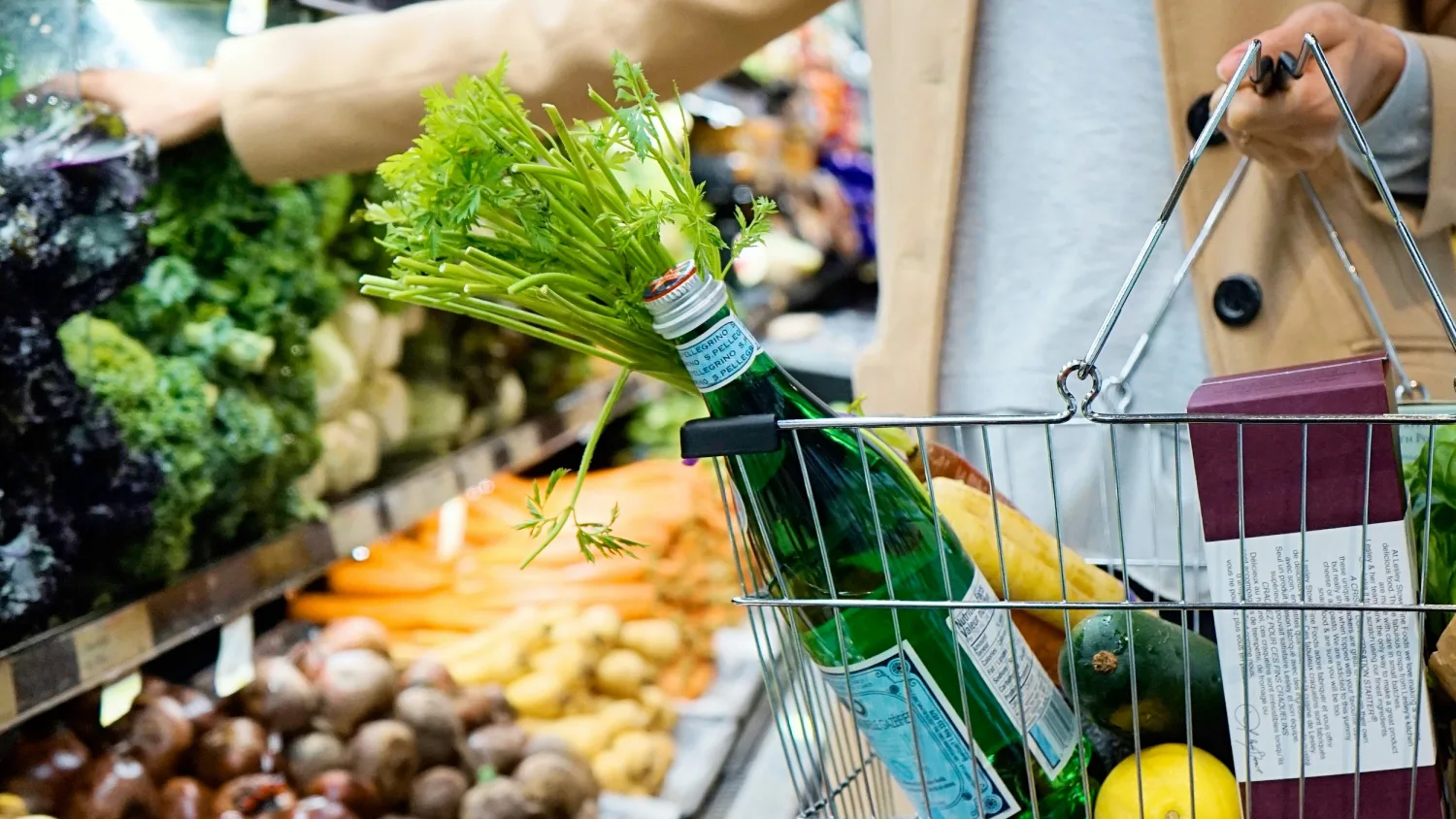
Every basket tells a story about what goes with what. Gener8's Purchase Intelligence dataset reads eReceipts from real online purchases to surface which brands and products are typically bought together, and that basket overlap turns out to be one of the richest signals for targeting, messaging, cross-promotion, and partnership strategy that most brands never look at.
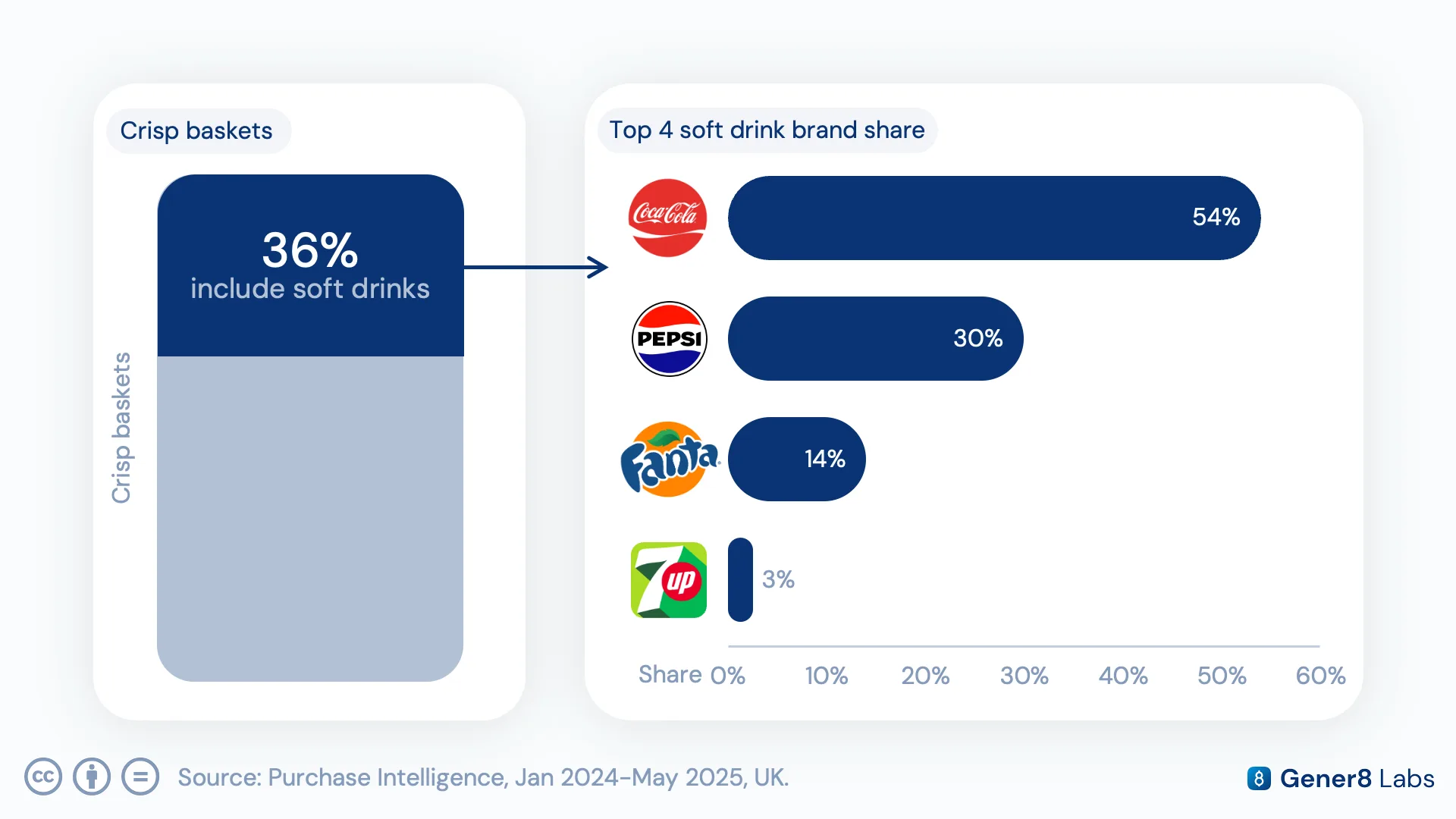
Across every transaction that included a crisp purchase, 36% also included a soft drink, a strong enough pairing to build a strategy around. Within that overlap, Coca-Cola was the clear winner, showing up in 54% of the transactions that combined the two categories.
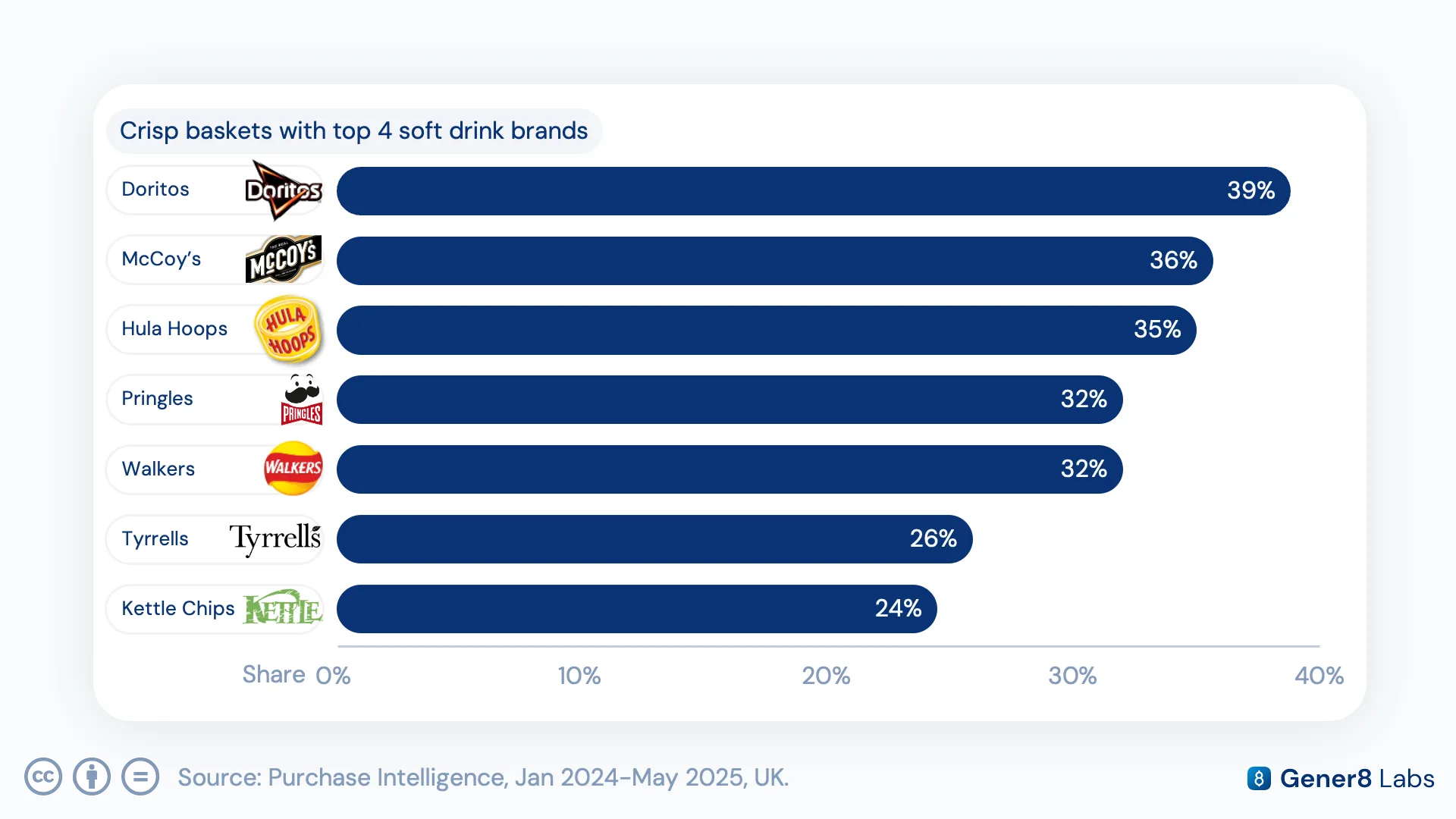
The overlap isn't uniform across the category. Mainstream names like Doritos and Walkers pair with soft drinks in 32–39% of baskets, while premium brands such as Tyrrells and Kettle Chips sit lower, at 24–26%.
The specific pairings differ too: Kettle Chips shoppers lean toward Pepsi, while Doritos baskets skew toward Fanta, hinting at distinct occasion and audience differences hiding inside a single product category.
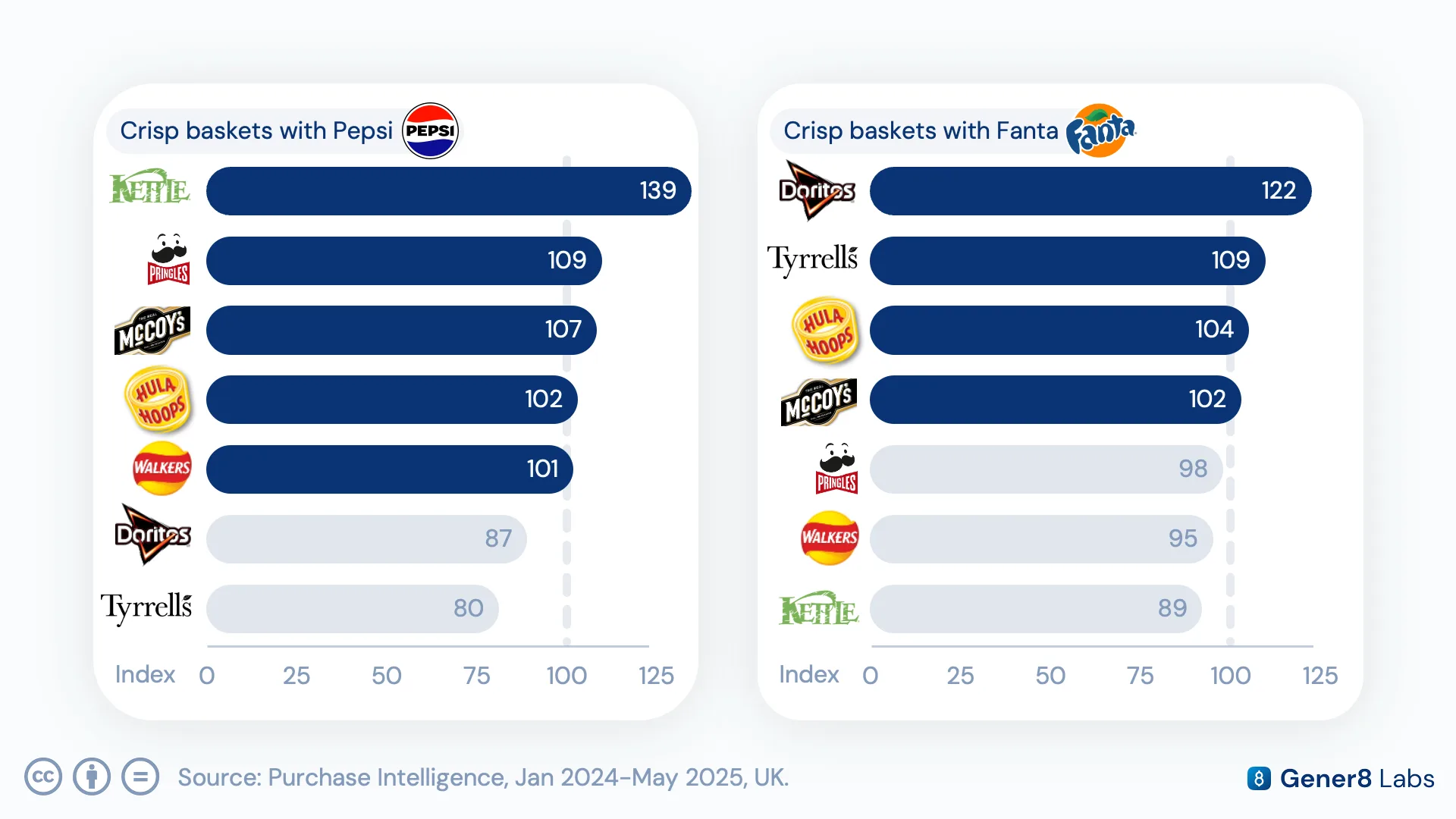
Audience segmentation and targeting: build lookalike and affinity audiences from real co-purchase behaviour rather than assumed category adjacency. Partnership strategy: identify the specific brand pairings worth co-marketing or co-promoting. Cross-selling and bundling: design bundles around baskets people are already building organically. Product innovation and assortment: let overlap data inform new flavours, formats, or shelf placement. Campaign impact measurement: track whether a campaign shifted basket composition, not just single-item sales.
None of this requires guesswork about what "probably" sells together. It's drawn directly from a consented eReceipt panel, at the level of individual transactions, which means the pairings reflect what shoppers are actually doing rather than what a category plan assumes they're doing.